


First Responder Cardiovascular Health Screening Program
Protect Those Who Protect Everyone Else
On-site cardiovascular screening programs for fire departments, EMS agencies, and law enforcement throughout Central and Western Pennsylvania.
Early detection. Minimal disruption. Onsite events.
Programs That Fit Your Departmental Needs
-
![Icon representing medical or healthcare technology with a heart rate monitor, a surgical mask, and a virus or bacteria symbol, all within a circular frame.]()
Department-Only Screening Event
A private cardiovascular screening event exclusively for your firefighters, EMS personnel, or law enforcement officers. This option is ideal for annual wellness initiatives, occupational health programs, and proactive cardiovascular risk assessment.
Ideal for:
• Volunteer Departments
• Career Departments
• Combination Departments
• EMS Agencies
• Police Departments
-
![A circular infographic showing white human icons with orange arrows indicating movement in different directions around the icons, set against a dark blue background with concentric circles.]()
Community & Family Wellness Event
Expand your impact by opening your event to spouses, immediate family members, or your local community. This option helps promote preventive health while strengthening community engagement and supporting department fundraising or wellness initiatives.
Popular Options
• Firefighters + Spouses
• Firefighters + Immediate Family
• Community Screening Events
• Public Safety Wellness Days
-
![A digital graphic featuring a shield outline with a gear icon in the center, surrounded by concentric circles. The design uses white, orange, and varying shades of blue.]()
Customized Department Programs
Every department is different. We'll work with you to design a screening event that fits your staffing, available space, schedule, and participation goals.
Programs can include:
• Single-day events
• Multi-day events
• Multiple stations
• Executive or command staff screening
• Combination wellness events


Funding & Payment Options
We understand that every department has different budgets and wellness goals. That's why we offer flexible payment options designed to make cardiovascular screening as accessible as possible.
-
Departments may choose to cover all or part of the screening cost for their firefighters, EMS personnel, or law enforcement officers as part of a wellness initiative.
-
Some departments secure funding through local, state, or organizational grants that support firefighter health, cancer prevention, or wellness initiatives. We're happy to discuss program options that may align with available funding opportunities.
-
Participants may pay for their own screening using:
✔ Credit or debit cards
✔ HSA cards
✔ FSA cards
✔ Personal checks
-
Departments may also choose to open a screening event to spouses, immediate family members, or the public. Community participants simply pay for their own screenings at the time of service, while the department can decide whether to sponsor screenings for its personnel.
There is no obligation for the department to pay for community participants.
-
Preventive cardiovascular screenings are wellness services and are generally not covered by health insurance because they are performed without symptoms or a physician's order.
We gladly accept:
✔ Credit & debit cards
✔ HSA cards
✔ FSA cards
✔ Personal checks
-
No Onsite Setup Fees. No Event Fees. No Hidden Costs.
First responder departments that host screening events through us do not get charged any onsite fees.
Why First Responders?
Working in emergency services places extraordinary demands on the cardiovascular system. Long shifts, interrupted sleep, chronic stress, heavy gear, and intense physical exertion all contribute to increased cardiovascular risk.
Many serious cardiovascular conditions develop without symptoms. Our onsite screening programs help identify potential concerns early so first responders can seek appropriate medical follow-up before a medical emergency occurs.
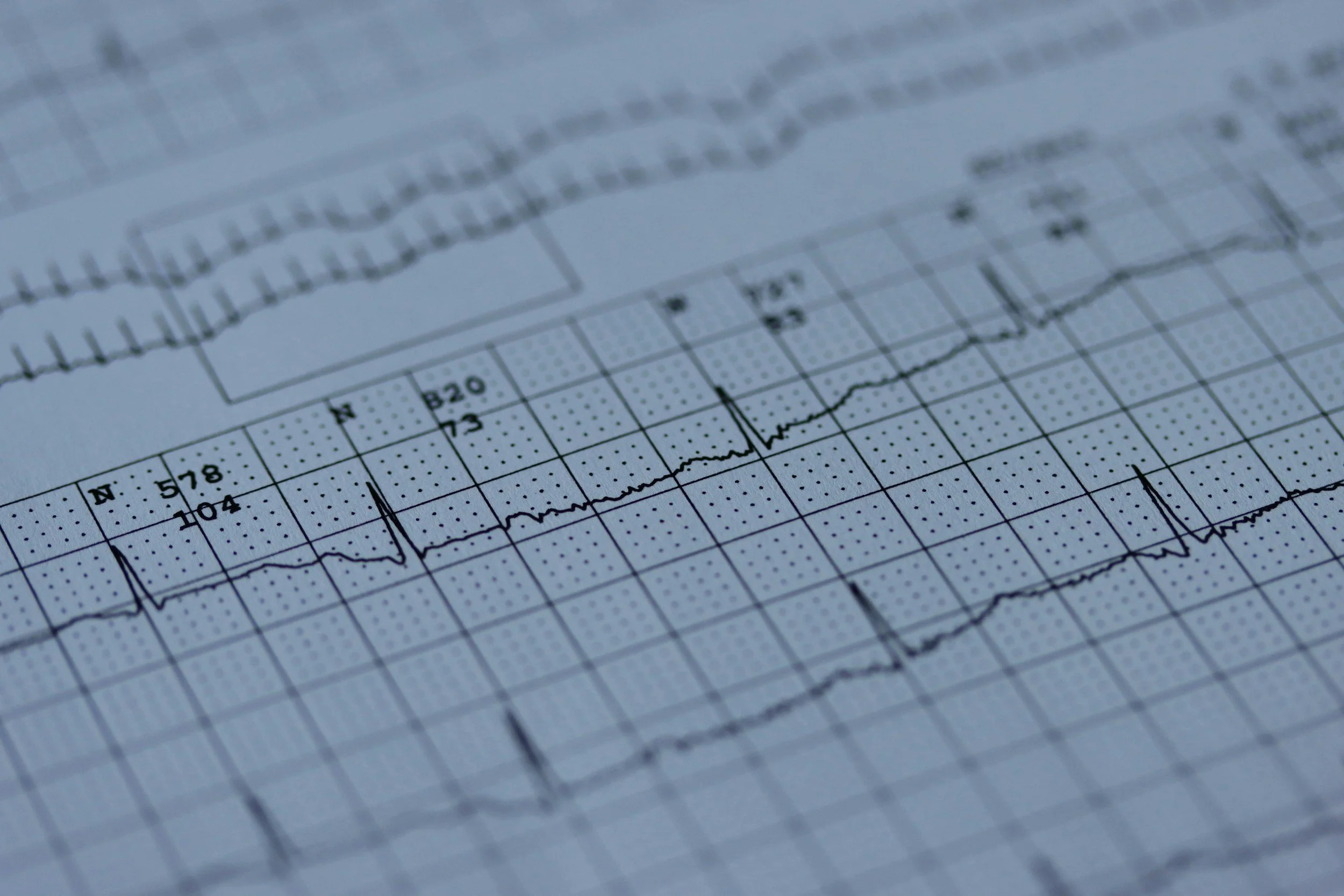
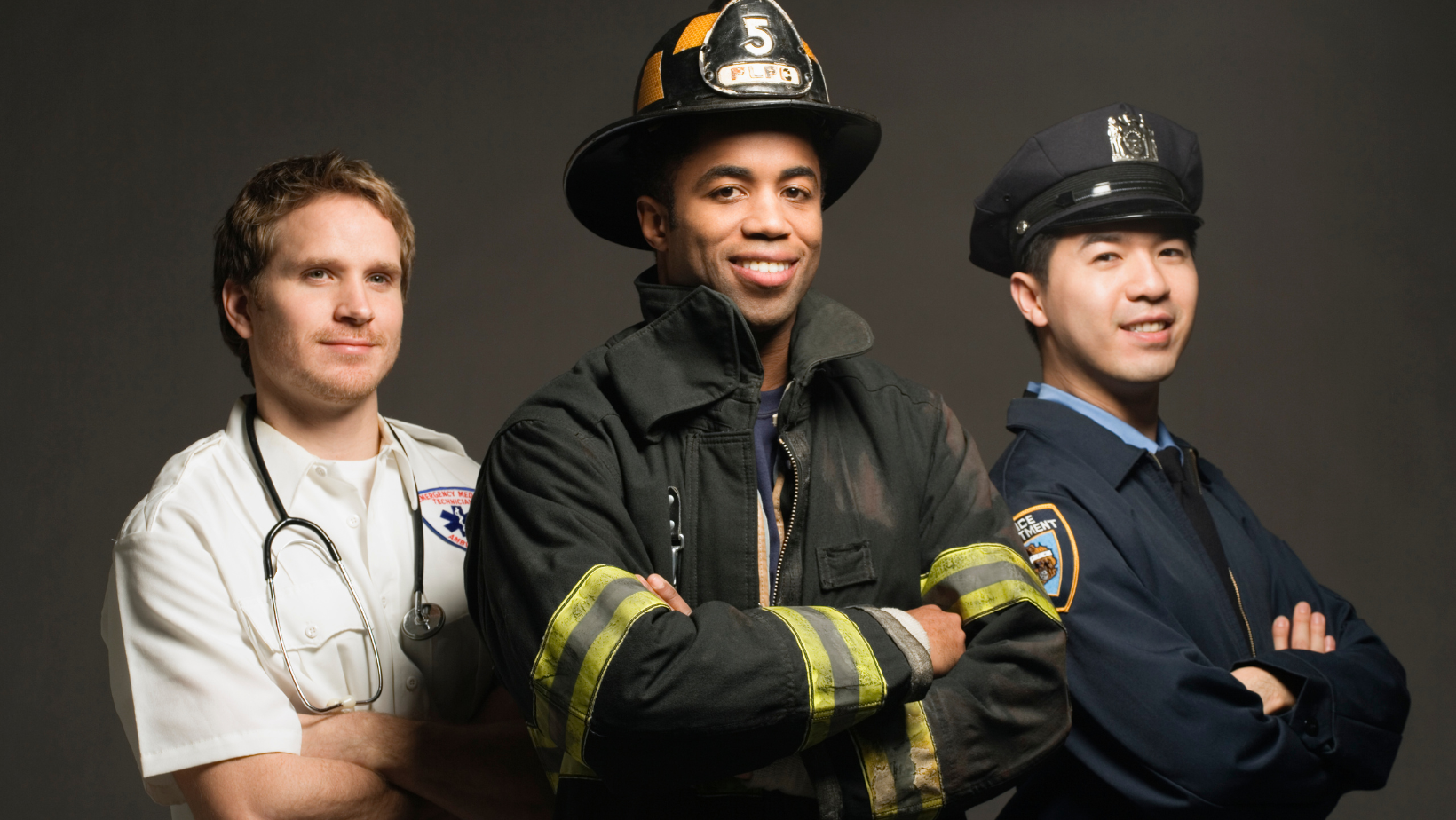
Cardiac Events
Remain the leading cause of death among first responders. The physical and emotional demands of the job place ongoing strain on the cardiovascular system—often without warning signs.
How it works
-
Schedule
We help you select a date and customize a program for your department.
-

Register
We provide a simple registration process for participants.
-
Screen
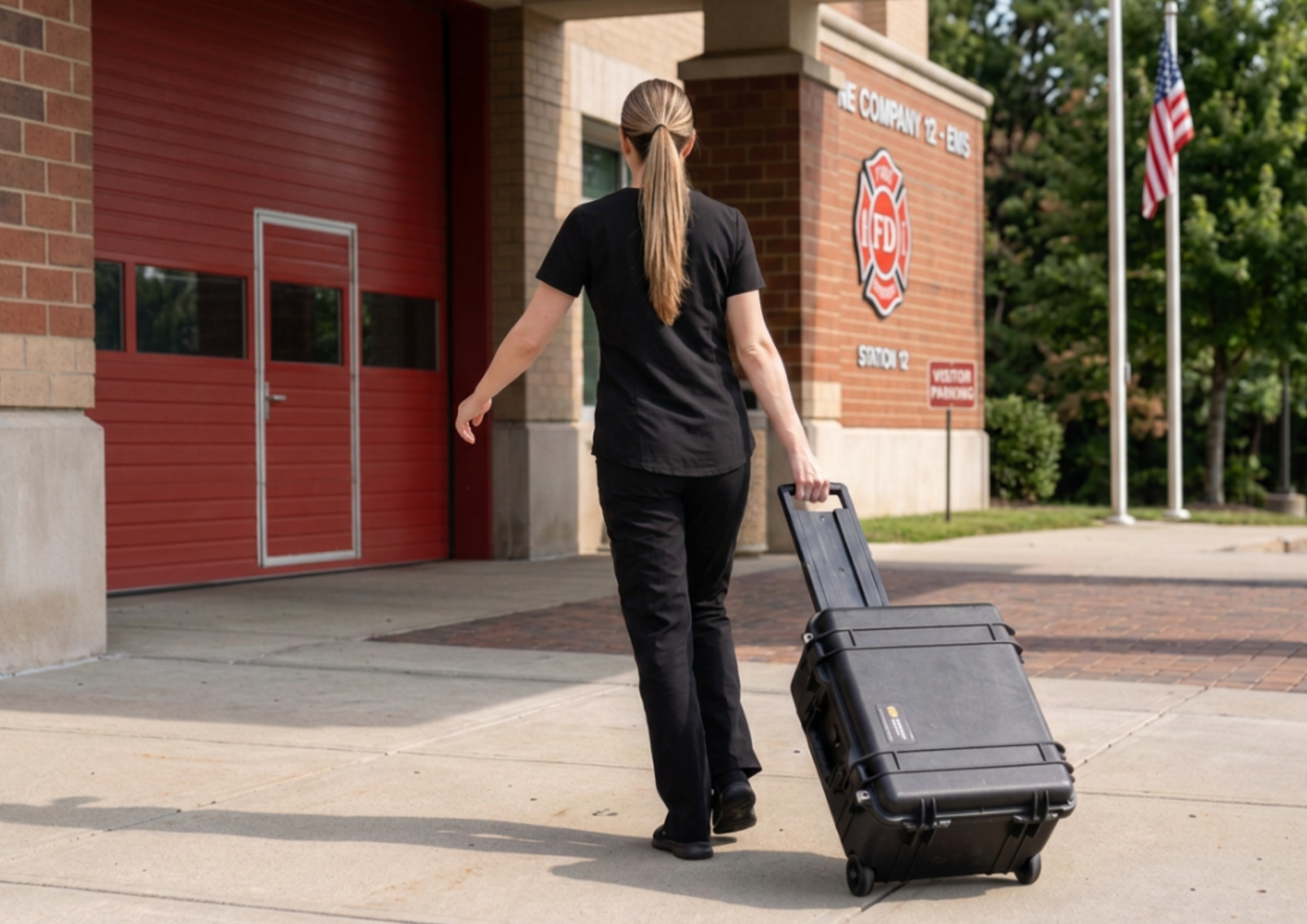
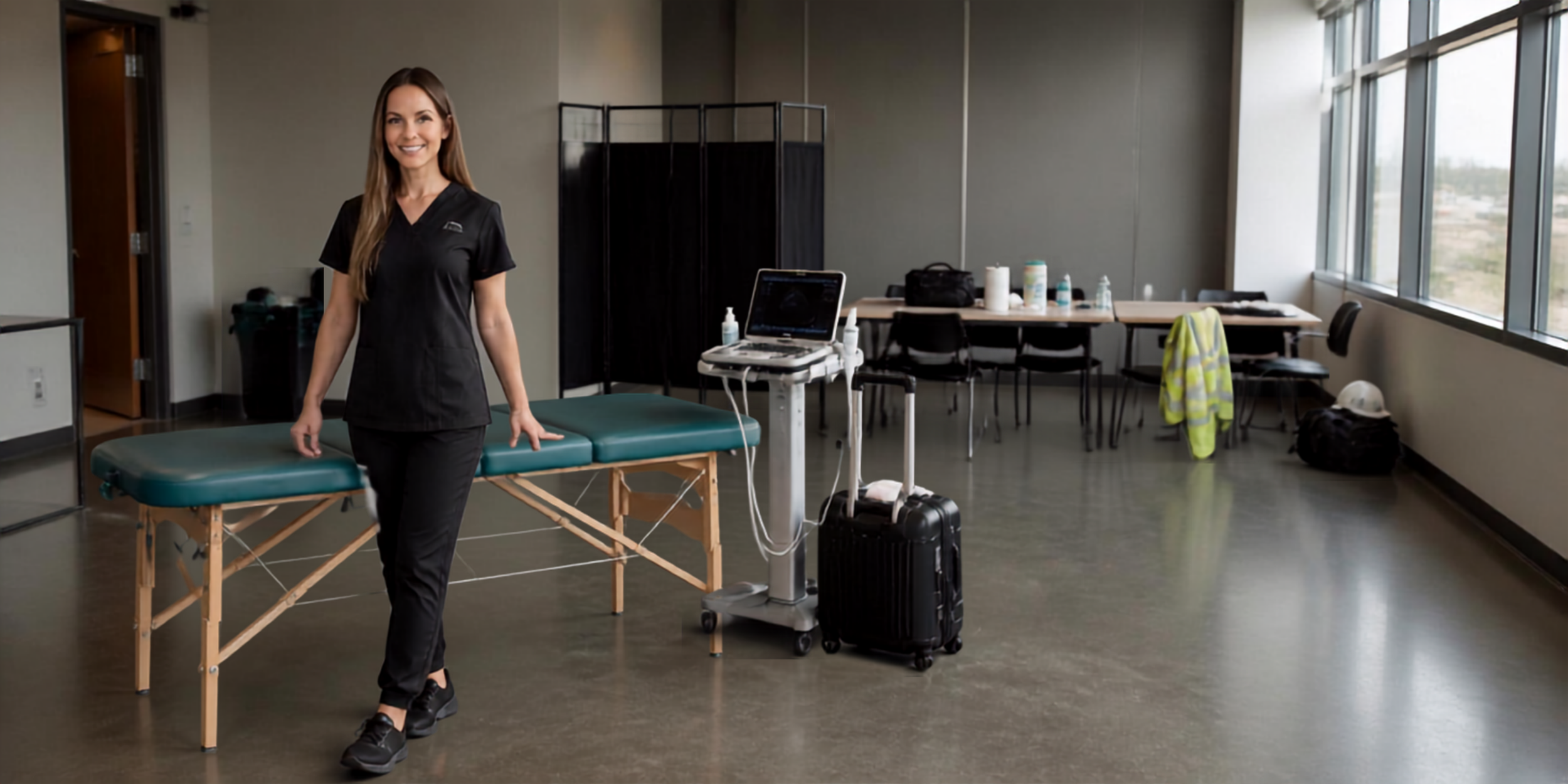
Our mobile team arrives fully equipped and performs efficient onsite screenings.
-

Results
Participants receive their screening reports with recommendations for appropriate follow-up when indicated.
What We Screen
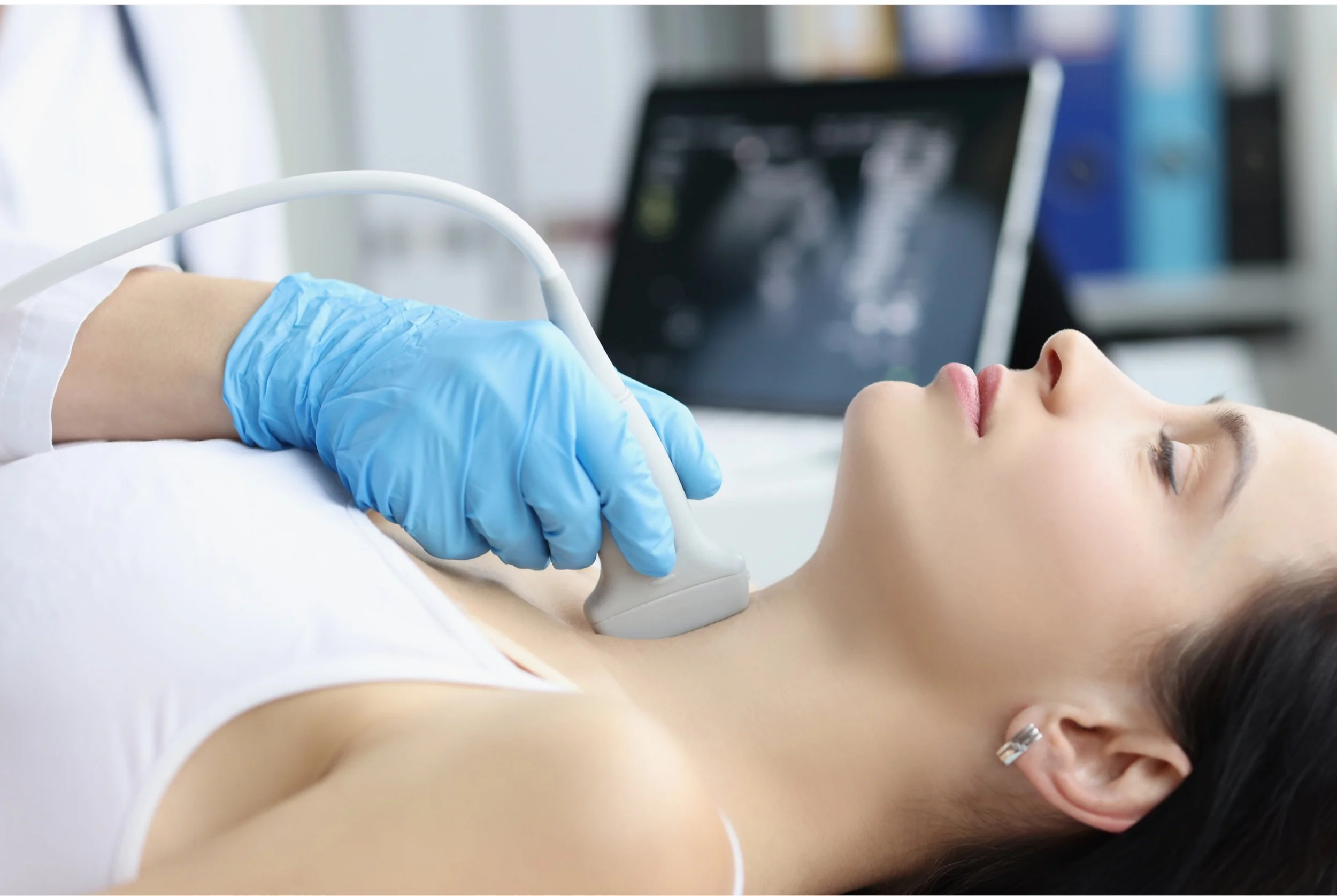
Carotid Artery Screening
-
What it evaluates:
This ultrasound assesses blood flow in the carotid arteries, which supply blood to the brain.Why it matters:
Plaque buildup in these arteries can develop silently and increase the risk of stroke. Early detection allows for intervention before symptoms occur.What to expect:
A quick, non-invasive ultrasound scan performed on the neck with no discomfort or downtime.

PVR/ABI (Circulation)
-
What it evaluates:
This test measures blood flow in the legs using blood pressure cuffs and waveforms to assess circulation. It also checks the circulation within the small vessels of the toes which is critical for those who are diabetic or high risk.Why it matters:
Reduced circulation may indicate peripheral artery disease (PAD), which is linked to increased risk of heart attack and stroke. Reduced circulation can lead to non-healing wounds and can lead up to amputation.What to expect:
Simple, painless testing using cuffs placed on the arms, ankles, feet and toes—completed in just a few minutes.

Aorta (AAA) Screening
-
What it evaluates:
An ultrasound of the abdominal aorta to check for enlargement or aneurysm. We look for aneurysm, dissection, and blockage.Why it matters:
Abdominal aortic aneurysms often have no symptoms but can become life-threatening if they rupture. Screening helps detect issues early.What to expect:
A non-invasive abdominal scan performed while lying comfortably, with no recovery time needed. A 4-6 hour fast is recommended for optimal evaluation.
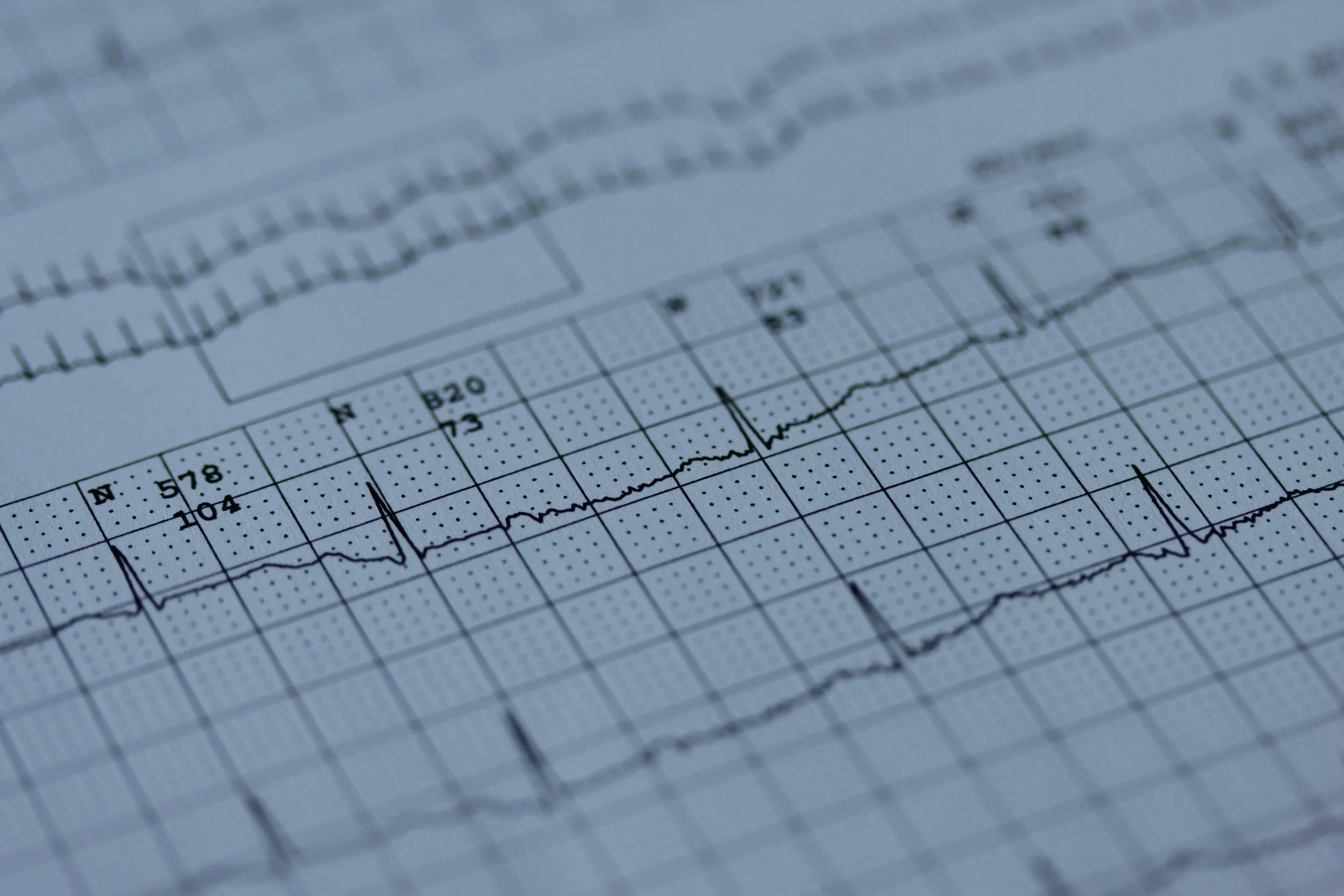
12-Lead EKG Screening
-
What it evaluates:
This test records the electrical activity of the heart to assess rhythm and overall cardiac function.Why it matters:
An EKG can help identify irregular heart rhythms or underlying cardiac concerns that may not present with symptoms.What to expect:
Quick, painless test using small electrodes placed on the chest, arms, and legs—completed in minutes.


Why it Matters
Why Early Detection Matters
Many conditions develop without symptoms
Early detection can prevent life-threatening events
Supports long-term health and career longevity
Helps departments prioritize wellness and readiness
Make it easy for your team to access life-saving health insights.
Early Detection | Cardiovascular Health | Stronger Teams | Mission Ready |
Early Detection | Cardiovascular Health | Stronger Teams | Mission Ready |

Serving Departments Across:
Cambria • Indiana • Blair • Somerset • Westmoreland • Huntingdon • Bedford Counties • And More

Health is built, not waited on. Catch problems early. Act Now
Protect Your Crew: Screening Inquiry
Bring preventive cardiovascular screenings directly to your organization or community. We partner with you to deliver onsite cardiovascular screenings through structured, high-impact events.